
The Art and Science Behind Paint Protection: What You Need to Know


When it comes to maintaining the aesthetic appeal and longevity of your vehicle, the science behind paint protection plays a crucial role. In the world of Bournemouth car detailing, Poole car detailing, and Dorset car detailing, understanding paint protection techniques can not only enhance the look of your car but also protect it from the elements. In this article, we’ll delve into the science of paint protection, focusing on essential techniques such as ceramic coating and machine polishing, and help you make informed decisions for your vehicle’s care.
Understanding the Basics of Paint Protection
Before diving into specific protection techniques, it's critical to understand why paint protection is paramount for your vehicle. Your car's paint acts as a barrier against various external threats, including UV rays, bird droppings, tree sap, and road grime. Over time, these factors can diminish the shine and integrity of your car's exterior, necessitating the need for effective protection measures.
The Importance of a Quality Finish
A high-quality finish not only enhances your car's visual appeal but also increases its resale value. A well-maintained exterior will attract potential buyers and give the impression of a cared-for vehicle. In Bournemouth car detailing and similar services, professionals prioritize finishing techniques to achieve that perfect surface gloss.
A Closer Look at Ceramic Coating
Ceramic coating has taken the automotive detailing world by storm. This innovative form of paint protection is known for its superior ability to shield your vehicle from various environmental hazards. A ceramic coating creates a semi-permanent bond with the vehicle’s paint, offering a significantly higher level of protection compared to traditional waxes and sealants.
How Ceramic Coating Works
The magic behind ceramic coating lies in its molecular structure. Made from durable silicon dioxide (SiO2), when applied, the coating forms a hydrophobic layer that repels water, dirt, and other contaminants. This not only helps keep your car cleaner for longer but also makes washing easier and less frequent.
The Benefits of Ceramic Coating
Durability: Ceramic coatings can last several years if maintained properly, far surpassing traditional waxes.
UV Protection: These coatings protect against harmful UV rays, which can fade and damage your car’s paint over time.
Scratch Resistance: While they are not completely scratch-proof, ceramic coatings do add an extra layer of protection against minor scratches and swirl marks.
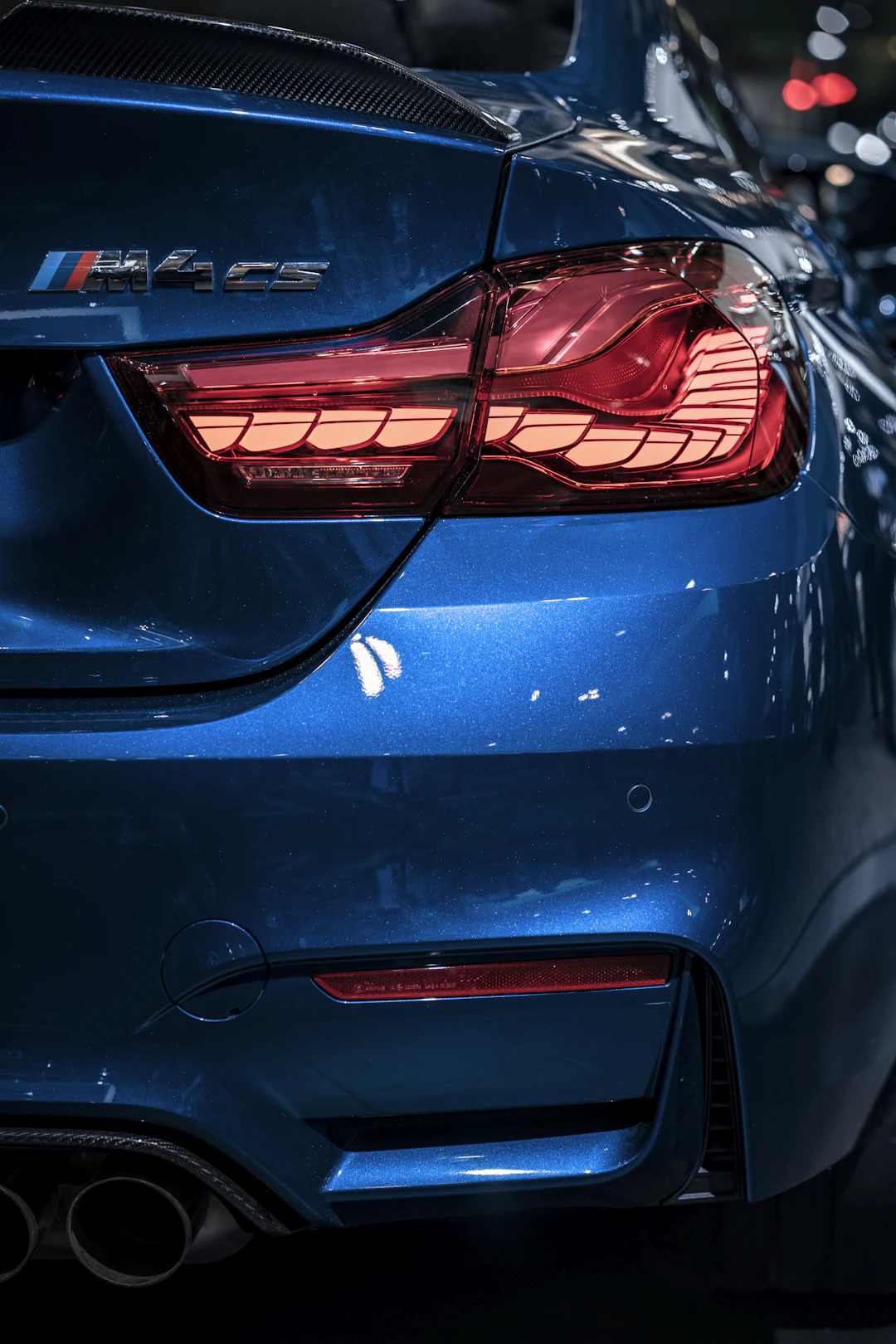
Enhanced Visual Appeal: The glossy finish enhances the overall look of your vehicle, making it the envy of all who see it.
The Role of Machine Polishing
Before applying any protective coating, machine polishing is often a recommended step in the detailing process. This technique involves using a specialised machine to buff the surface of the vehicle, removing imperfections and ensuring that the paint is well-prepared for a ceramic coating application.
Why Machine Polishing is Essential
Machine polishing not only ensures a smoother, glossier finish but also maximises the effectiveness of the paint protection measures you’ll implement afterward. In the realm of Dorset car detailing, machine polishing is often a pivotal step to ensure the best results.
Types of Machine Polishing Techniques
Compound Polishing: This technique is ideal for eliminating deep scratches and defects in the clear coat, providing a clean slate for paint protection.
Finishing Polishing: Used to enhance gloss and reflection, this technique focuses on removing very fine blemishes and leave a perfect finish.
Choosing the Right Protection for Your Vehicle
Now that you have an understanding of ceramic coating and machine polishing, how do you choose the right protection for your vehicle? The ideal choice depends on several factors, including your car’s age, condition, and how often you are willing to maintain it.
Assessing Your Vehicle's Needs
Before committing to any protection, evaluate your vehicle's current condition. If your car has several scratches or blemishes, it might benefit significantly from a machine polishing treatment before applying ceramic coating. For newer vehicles with less wear and tear, a direct application of ceramic coating could suffice.
Consulting with Professionals
Partnering with expert detailers in Bournemouth car detailing or Poole car detailing can provide valuable insights. Professionals can assess your vehicle and recommend a tailored approach that suits your needs and expectations.
Maintaining Your Vehicle’s Protective Layer
Once your vehicle has received its protective treatment, ongoing maintenance is essential to ensure its longevity. While ceramic coatings are low-maintenance, implementing the right care routine will enhance its efficacy.
Regular Washing Techniques
While the hydrophobic properties of a ceramic coating help keep dirt at bay, regular washing is still necessary to remove accumulated grime. It is advisable to use a pH-balanced car shampoo and a soft wash mitt to prevent any potential damage to the coating.
Scheduled Inspections and Touch-Ups
Even with the best protective measures in place, regular inspections can help identify any areas that may need attention. Some ceramic coatings may benefit from the application of a maintenance spray that boosts the coating’s effectiveness, extending its lifespan.
The Science of Hydrophobic Properties
One of the most talked-about advantages of ceramic coating is its hydrophobic properties, which refers to the water-repellent nature of the coating. Water beads up on the surface rather than spreading, creating a barrier that prevents dirt and grime from adhering to the paint.
The Chemistry Behind Hydrophobicity
When we look at the chemistry, the silicon dioxide (SiO2) in the ceramic coating effectively alters the surface tension of the paint, resulting in a smooth surface that water cannot easily penetrate. This means your vehicle remains cleaner for extended periods, reducing the frequency of washing, hence contributing to a longer-lasting appearance and protective layer.
Common Paint Protection Myths Debunked
As with any industry, there are several myths surrounding paint protection that can lead to confusion. Let’s debunk a few common misconceptions.
Myth 1: Wax is Better Than Ceramic Coating
While wax offers a temporary layer of protection, its benefits are short-lived compared to the long-term durability of ceramic coatings. Wax needs frequent reapplication, while a quality ceramic coating can last years.
Myth 2: Paint Protection is Only for New Cars
Many believe that paint protection is only necessary for new cars, but in reality, even older vehicles can benefit significantly from treatments like ceramic coatings and machine polishing.
Wrapping Up: Elevate Your Car Care Game
Understanding the science behind paint protection is essential for any car owner who wants to maintain the beauty and integrity of their vehicle. By leveraging techniques like ceramic coating and machine polishing, as well as following a robust maintenance routine, you can ensure your car looks stunning for years to come.
Whether you're seeking Bournemouth car detailing, Poole car detailing, or Dorset car detailing, the right protection can significantly enhance your car’s appearance and resale value. So get ready to revolutionise your car care game and enjoy the benefits of a protected and stunning vehicle!
FAQs
What is the importance of paint protection for vehicles?
Paint protection is crucial for maintaining a vehicle's aesthetic appeal and longevity, shielding it from external threats like UV rays, bird droppings, and road grime.
What is ceramic coating and how does it work?
Ceramic coating is a semi-permanent form of paint protection that creates a hydrophobic layer on the vehicle's paint, repelling water, dirt, and contaminants.
Why is machine polishing an essential step in the detailing process?
Machine polishing prepares the vehicle's paint surface by removing imperfections, ensuring a smoother and glossier finish before applying protective coatings.
How can I choose the right paint protection for my vehicle?
Choosing the right protection depends on your vehicle's age, condition, and how frequently you're willing to maintain it; consulting with professionals can help guide your decision.
What are some common myths about paint protection?
Common myths include the belief that wax is better than ceramic coating, and that paint protection is only necessary for new cars; both are misconceptions, as ceramic coatings offer long-term benefits and older vehicles can also benefit from protection.
Comments