
The Essential Role of Vacuuming in Car Detailing


When it comes to bournemouth car detailing, many enthusiasts often emphasise the importance of exterior treatments, such as ceramic coating or machine polishing. However, a crucial element that should not be overlooked is vacuuming. In this blog post, we will explore the significance of vacuuming in car detailing and how it plays an integral role in maintaining your vehicle's overall appearance and longevity.
Why Vacuuming Matters in Car Detailing
The primary purpose of vacuuming during car detailing is to remove dirt, debris, and allergens from the interior of your vehicle. Neglecting this vital step can lead to a myriad of issues, ranging from unhealthy air quality to an unattractive cabin environment. Here are several key reasons why vacuuming is an essential part of the detailing process:
Enhances Cleanliness: A thorough vacuuming session eliminates accumulated dirt, pet hair, sand, and other particles that may reside in the car's carpets and seats.
Improves Air Quality: Dust and allergens can affect the air quality within your car. Regular vacuuming helps reduce these irritants, making the driving experience healthier for you and your passengers.
Prevents Damage: Dirt and debris can cause wear and tear on upholstery and carpets over time. By vacuuming regularly, you minimise this risk and extend the life of your car's interior.
Boosts Aesthetic Appeal: An immaculately vacuumed interior creates a pleasant atmosphere for you and your passengers, thus boosting the overall appeal of your vehicle.
Understanding Different Vacuuming Techniques
Not all vacuuming techniques are created equal. Depending on the materials present in your vehicle's interior, specific methods can be more effective in achieving optimal cleanliness. Here are a few techniques to consider:
1. Standard Vacuuming
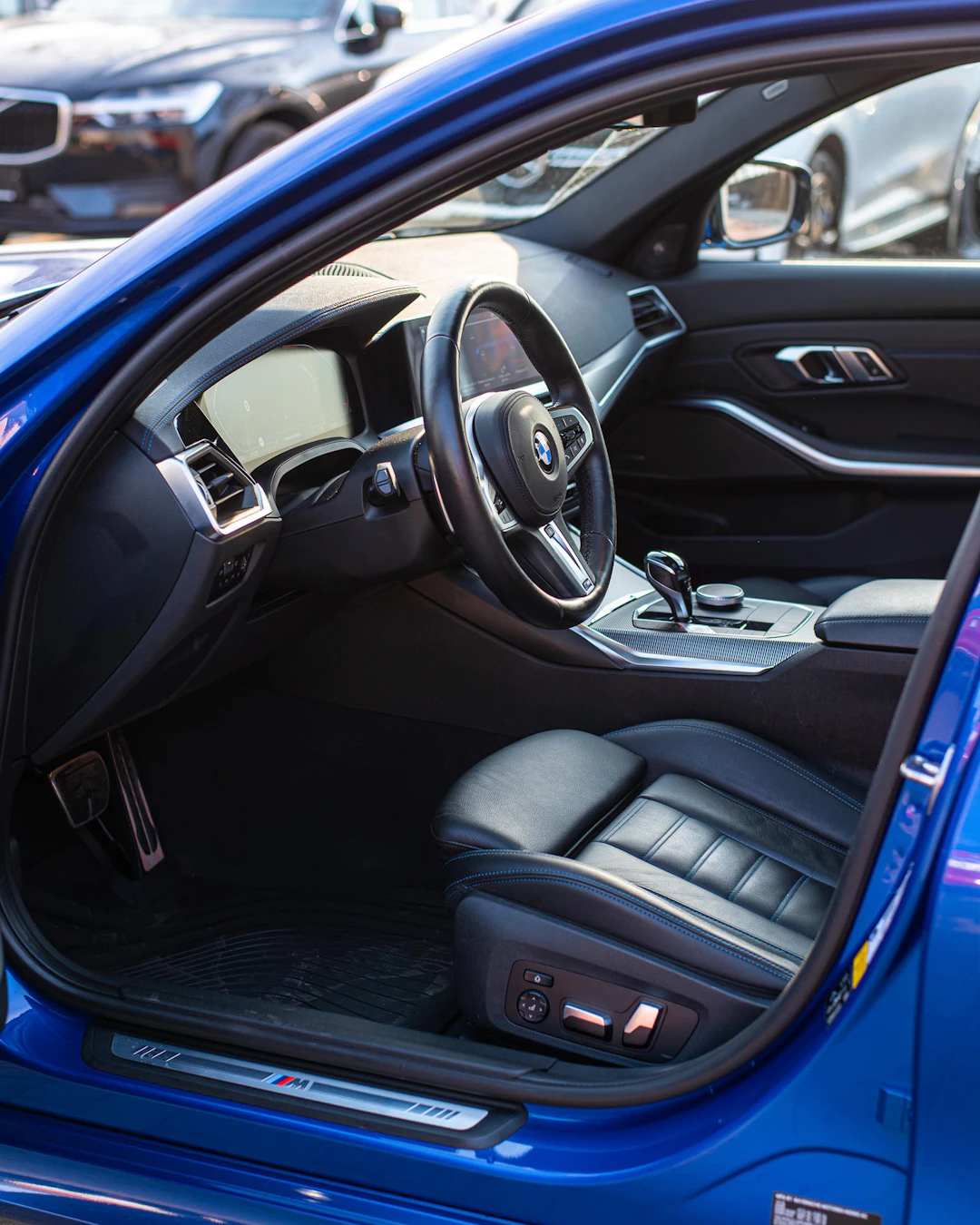
This method involves using a handheld or upright vacuum to clean the main surfaces inside your car. Make sure to pay extra attention to areas where dirt tends to accumulate, such as floor mats, under the seats, and in the crevices between the seats and centre console.
2. Wet-Dry Vacuuming
If your car has absorbed moisture—perhaps from a spill or a rainy day—using a wet-dry vacuum can help effectively remove both dirt and water. This can prevent mould and mildew growth in your vehicle’s interior, ensuring a fresh environment.
3. Specialized Attachments
Using vacuum extensions and attachments designed for automotive purposes will allow you to access hard-to-reach areas. Consider using a soft brush attachment to gently remove dust from delicate surfaces and a crevice tool for tight spots.
The Role of Vacuuming in Professional Car Detailing
When you seek poole car detailing or any other professional car detailing services in Dorset, vacuuming constitutes a core element of the process. An expert detailer will employ various vacuum techniques to ensure every nook and cranny of your vehicle is pristine. Here are some reasons why professional vacuuming is invaluable:
Expertise: Professionals know the best practices for vacuuming different car interiors, including how to handle various materials without causing damage.
Thoroughness: Detailing professionals are equipped with industrial-grade vacuums that are highly efficient in cleaning large amounts of dirt and grime.
Time-Saving: Professionals can quickly and effectively complete the vacuuming process, allowing for a more efficient detailing job overall.
Integrating Vacuuming with Other Detailing Methods
Vacuuming should not be seen as an isolated step in the car detailing process. It works best when integrated with other methods like ceramic coating, machine polishing, and more. Here is how vacuuming complements other detailing services:
1. Prepping for Ceramic Coating
Before any ceramic coating is applied, having a spotless interior and exterior is crucial. Vacuuming removes any contaminants that could interfere with the coating application.
2. Enhancing the Effectiveness of Machine Polishing
During machine polishing, any debris left inside the car can cause scratches or imperfections. An effective vacuuming session will ensure that the car is free of materials that could harm the finish quality.
3. Complementuing Other Interior Detailing Techniques
Vacuuming acts as a primer for other interior detailing techniques such as steam cleaning, leather conditioning, or upholstery treatment. A clean base allows these methods to be more effective in achieving the desired outcome.
Preventive Maintenance: The Vacuuming Schedule
Creating a vacuuming schedule can help maintain the cleanliness and hygiene of your vehicle effectively. Here’s a potential vacuuming frequency guide:
Weekly: If your vehicle is frequently used or has pets, aim for a weekly vacuum to keep it tidy.
Bi-weekly: For average use, vacuuming every two weeks is generally sufficient to maintain cleanliness.
Monthly Detail: Consider a full detail (including professional vacuuming) once a month to keep every aspect of your vehicle's interior in top shape.
Choosing the Right Tools for Vacuuming
When it comes to vacuuming your car, using the right tools is key. Look for a vacuum that has strong suction power and attachments that can make cleaning easier. Here are some essentials:
Handheld Vacuum: A small, portable vacuum can be perfect for quick clean-ups.
Carpet and Upholstery Attachment: This attachment helps clean deep into your fabric and carpets.
Crevice Tool: Ideal for reaching tight spaces between the seats and other small areas.
A Personal Touch: Create Your Car Detailing Experience
In Bournemouth and surrounding areas, dorset car detailing offers a range of services that can enhance your vehicle’s appearance and protect its interior. Whether you prefer DIY detailing at home or hiring experts to do the job, you can create a custom experience that suits your needs.
By integrating vacuuming as a cornerstone of your car detailing routine, you'll notice a distinct difference in your vehicle's upkeep. Ultimately, keeping your car clean is not just about aesthetics; it’s about prolonging the life of your vehicle and ensuring a comfortable driving environment for everyone.
Unlocking a Pristine Driving Experience
As we’ve highlighted, vacuuming is a critical component of effective car detailing. Integrating this practice with other detailing methods can enhance your car's interior significantly. Remember to maintain a regular vacuuming schedule, employ the right techniques, and combine vacuuming with professional services when required. Your car is more than just a mode of transport; it’s a reflection of you, and taking the time to care for it will pay off in the long run. Happy detailing!
FAQs
Why is vacuuming important in car detailing?
Vacuuming is essential in car detailing as it removes dirt, debris, and allergens from the interior, enhancing cleanliness, improving air quality, preventing damage to upholstery, and boosting the aesthetic appeal of the vehicle.
What are some effective vacuuming techniques for car interiors?
Effective vacuuming techniques include standard vacuuming with handheld or upright vacuums, wet-dry vacuuming for moisture removal, and using specialised attachments to access hard-to-reach areas.
How does vacuuming integrate with other car detailing methods?
Vacuuming complements other detailing methods by prepping the car for ceramic coating, enhancing machine polishing effectiveness, and acting as a primer for interior detailing techniques like steam cleaning and leather conditioning.
What is a recommended vacuuming schedule for maintaining a clean car?
For regular maintenance, vacuuming weekly is advisable for heavily used vehicles or those with pets, bi-weekly for average use, and a full detail including professional vacuuming once a month.
What tools should I use for vacuuming my car?
Essential tools for vacuuming your car include a handheld vacuum for quick clean-ups, carpet and upholstery attachments for deep cleaning, and a crevice tool to reach tight spaces between seats.
Comments