
The Ultimate Guide to Cleaning Car Upholstery: Best Practices Revealed


Your car's upholstery is a crucial aspect of its interior, and keeping it clean can enhance not just the aesthetic appeal but also the overall driving experience. Regular cleaning helps to prolong the life of your upholstery while maintaining a fresh and inviting atmosphere inside your vehicle. This guide will delve into the best practices for cleaning car upholstery, keeping in mind essential tips and techniques that every car owner should know.
Why is Cleaning Car Upholstery Important?
Car upholstery endures daily wear and tear, whether it's from spills, dirt, or general usage. Ignoring it can lead to stains, unpleasant odours, and even lasting damage. A clean interior not only boosts the vehicle's resale value but also provides you and your passengers a comfortable ride. Whether you are in Bournemouth, Poole, or elsewhere in Dorset, regular car detailing plays a significant role in maintaining your vehicle’s condition.
Understanding Different Types of Upholstery
Before we dive into the cleaning process, it’s essential to understand the various types of materials used in car upholstery. The most common types include:
Fabric Upholstery: This material is popular in many cars. It is absorbent, which means spills can easily stain it. However, it is relatively easy to clean with the right methods.
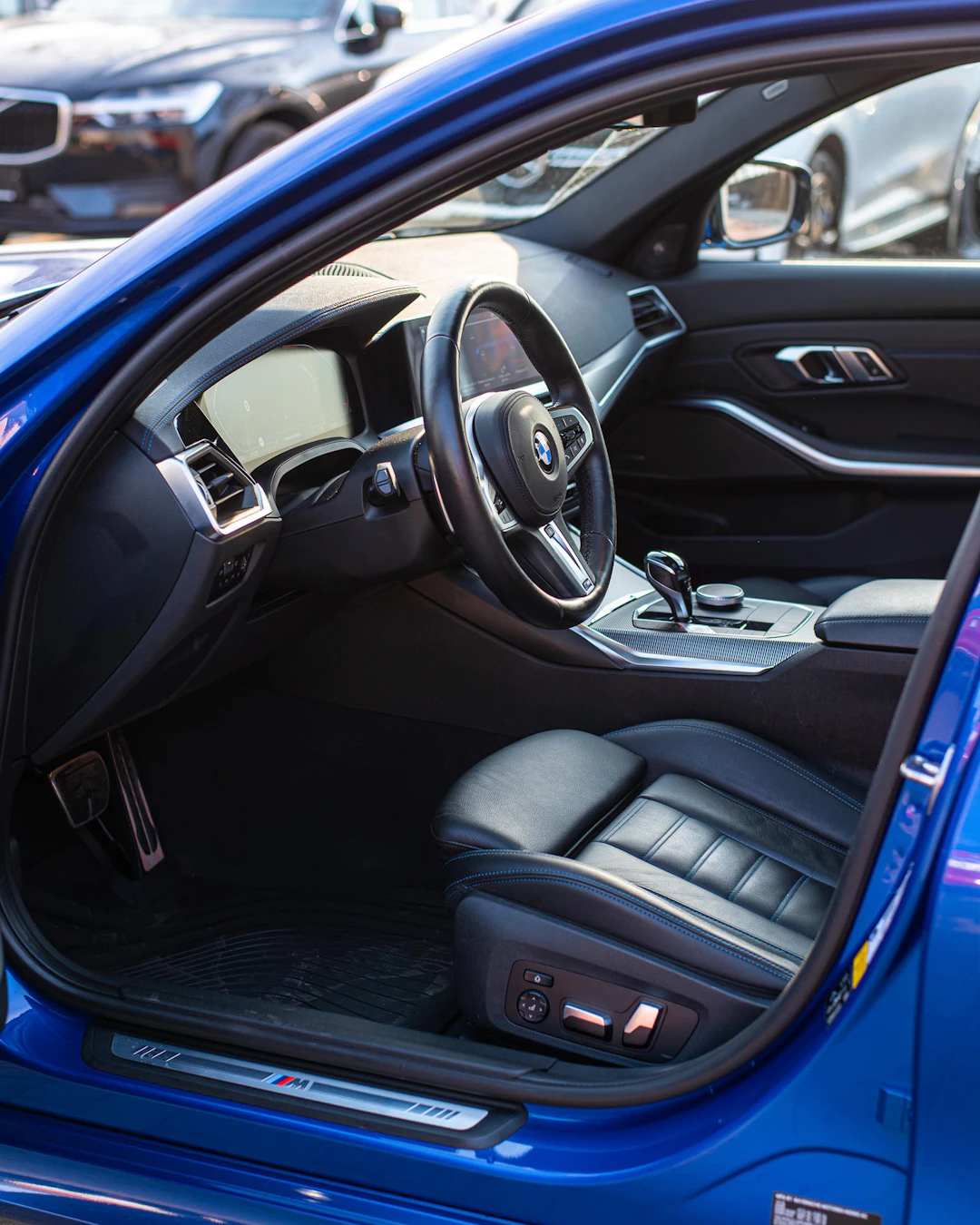
Leather Upholstery: Leather adds an air of luxury but can be challenging to maintain. It requires special products to prevent cracks and fading.
Vinyl Upholstery: Vinyl is durable and easier to clean than fabric or leather, making it a popular choice for many vehicles.
Knowing the type of upholstery in your car will guide you in selecting the correct cleaning solutions and methods. This information is especially beneficial for residents seeking Bournemouth car detailing or Poole car detailing services.
The Best Practices for Cleaning Upholstery
1. Regular Maintenance
One of the first steps in maintaining clean upholstery is to establish a regular cleaning routine. This can be a simple weekly vacuum or a more thorough monthly detail. Regular maintenance helps prevent dirt and grime from building up, making deeper cleans much easier.
2. Vacuuming
Start your cleaning process by vacuuming the upholstery thoroughly. Use a vacuum cleaner fitted with appropriate attachments, such as a brush nozzle or crevice tool, to reach into all the nooks and crannies. This step will remove loose dirt, dust, and crumbs, laying the groundwork for effective deep cleaning.
3. Spot Cleaning Stains
Accidents happen—spills, food stains, and marks from daily use can occur. For spot cleaning, follow these steps:
Identify the Stain: Different stains require different treatments. For instance, grease stains may need a degreaser, while water-based stains can often be treated with soap and water.
Blot, Don’t Rub: When cleaning a stain, gently blot it with a cloth or paper towel rather than rubbing it. Rubbing can damage the upholstery and spread the stain further.
Test Products: If using a cleaning solution, always test it on a small, inconspicuous area first to check for colourfastness or damage.
4. Deep Cleaning Fabric Upholstery
For a more thorough clean of fabric upholstery:
Use a Carpet Shampoo: Considering your local Dorset car detailing options, you might find carpet shampooers convenient. For DIY enthusiasts, you can create an effective solution by mixing warm water with soap specifically designed for upholstery cleaning.
Steam Cleaning: A steam cleaner can do wonders by reaching deep into the fibres to eradicate dirt and allergens without damaging the upholstery.
5. Cleaning Leather Upholstery
Cleaning leather upholstery requires special care:
Use a Soft Cloth: Begin by wiping the leather with a soft cloth to remove dust.
Leather Cleaner: Apply a proper leather cleaning solution as per the manufacturer’s recommendations. Use a gentle circular motion.
Conditioners: Once cleaned, it’s vital to apply a leather conditioner to keep the material supple and prevent cracking.
6. Using a Machine for Polishing
For those who want to take their upholstery cleaning to the next level, consider machine polishing your car interiors. This technique can enhance the overall look and feel of your seats and can be particularly beneficial if you have leather upholstery. If you are in the Bournemouth or Poole areas, many local detailing services offer machine polishing as part of their packages.
7. Deodorising
A crucial step often overlooked in the cleaning process is deodorising the upholstery. There are various methods to remove odours effectively:
Baking Soda: Sprinkle baking soda on the upholstery, let it sit for several hours, and then vacuum it up to eliminate unwanted smells.
Air Fresheners: Use fabric-safe air fresheners to enhance the scent of your car interior without leaving a sticky residue.
When to Seek Professional Help
While these cleaning practices can significantly improve the look and feel of your car's upholstery, there are instances when professional help becomes necessary. Opting for Bournemouth car detailing or Poole car detailing services could provide deeper cleaning with advanced techniques like ceramic coating. This bestows a protective layer against future stains and damage, making maintenance easier.
Benefits of Professional Car Detailing
Choosing professional car detailing services, particularly in Dorset, offers numerous advantages:
Expertise: Professionals have the experience and knowledge to identify the required cleaning techniques for different upholstery materials.
Advanced Equipment: Detailing services often have access to high-end machines designed for deep cleaning, which can yield superior results compared to DIY methods.
Time-Saving: Letting the professionals handle your car detailing can save you time and effort, allowing you to focus on other priorities.
Final Touches
A meticulous approach to cleaning car upholstery not only keeps your vehicle looking pristine but also enhances its longevity. From understanding the types of upholstery to utilising the right cleaning techniques, we've covered everything you need to know. Remember, regular upkeep is essential, and when the task seems overwhelming, don’t hesitate to seek professional help from Dorset car detailing experts.
So, roll up your sleeves and give your upholstery the care it deserves—your ride will thank you!
FAQs
Why is cleaning car upholstery important?
Cleaning car upholstery is important because it helps prevent stains, unpleasant odours, and damage from wear and tear. A clean interior also enhances the vehicle's resale value and provides a comfortable ride for passengers.
What are the different types of car upholstery?
The most common types of car upholstery include fabric, leather, and vinyl. Each type requires different cleaning methods and products due to their unique properties.
What are the best practices for cleaning upholstery?
Best practices for cleaning upholstery include establishing a regular maintenance routine, vacuuming thoroughly, spot cleaning stains, deep cleaning fabric upholstery, properly cleaning leather, machine polishing, and deodorising.
When should I seek professional car detailing help?
You should seek professional car detailing help when you need deep cleaning with advanced techniques, or when tasks seem overwhelming. Professionals can provide services like ceramic coating for added protection.
What are the benefits of professional car detailing?
The benefits of professional car detailing include expertise in cleaning techniques, access to advanced equipment for superior results, and time-saving convenience.

Comments